
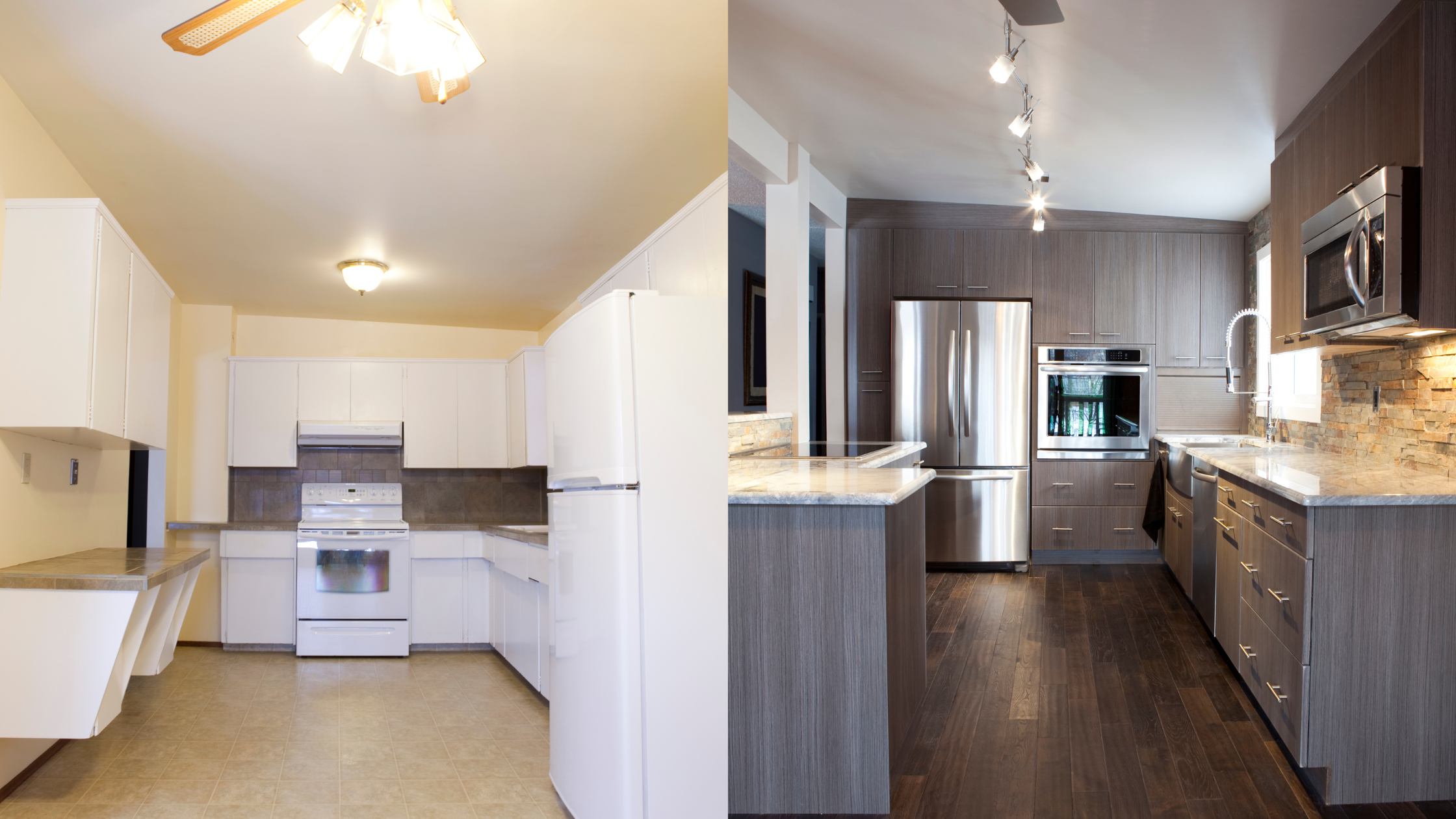

Renovating your home is not just about improving its appearance; it’s also about adding comfort, functionality, and long-term value. After investing your time, energy, and money into a renovation project, the last thing you want is for the results to fade away too soon. Proper maintenance ensures your home continues to look fresh, work efficiently, and remain durable for many years. By following a few practical tips, you can protect your investment and keep your space in excellent condition.
1. Follow a Regular Cleaning Routine
Newly renovated homes often shine with fresh finishes and polished surfaces, but this appeal can quickly wear off if not cared for. Establish a regular cleaning schedule to maintain the beauty of your interiors. Pay attention to the type of materials used during renovation—tiles, wood, or marble each require specific cleaning products. Using the right products prevents long-term damage and keeps every corner looking its best.
2. Keep an Eye on Wear and Tear
No matter how high the quality of work, daily use naturally brings wear and tear. Small cracks in paint, loose tiles, or minor plumbing leaks may not seem urgent but can turn into bigger issues if ignored. Make it a habit to conduct quick monthly inspections around your home. Spotting and fixing problems early will save you from unexpected expenses later.
3. Maintain Plumbing and Electrical Systems
Behind the walls and ceilings, plumbing and electrical work are vital to a safe and functional home. After renovations, schedule regular inspections with licensed professionals to ensure everything runs smoothly. Simple steps like checking water pressure, keeping an eye on faucets for leaks, and testing electrical switches can help prevent bigger complications. Well-maintained systems also extend the life of your appliances and fixtures.
4. Protect Surfaces and Fixtures
Scratches, stains, and dents can make a newly renovated space look older than it is. To avoid this, protect your surfaces with mats, coasters, and rugs, especially in high-traffic areas. Use felt pads under furniture legs and avoid dragging heavy items across floors. In the kitchen and bathroom, sealants and protective finishes can also be reapplied every few years to extend durability.
5. Control Humidity and Ventilation
Moisture is one of the biggest threats to interiors, especially in kitchens, bathrooms, and basements. Poor ventilation can lead to dampness, mould growth, and damage to wooden elements. Use exhaust fans, keep windows open for natural airflow when possible, and consider dehumidifiers in areas prone to moisture. Controlling humidity will keep your walls, paint, and furniture looking newer for longer.
6. Refresh Paint and Finishes Periodically
Even with the best paint or finishes, daily use can cause fading and dullness over time. A fresh coat of paint or a polish on wood surfaces every few years can completely refresh your interiors. Choose durable, washable paints during renovation so they last longer, and consider neutral colours that age well. Refreshing finishes is a cost-effective way to maintain the charm of your home without undergoing major renovations again.
7. Schedule Annual Professional Check-Ups
Your home deserves the same care as regular health check-ups. Hiring professionals once a year to inspect your interiors, plumbing, electricals, and structural elements ensures that hidden problems are caught early. Contractors can also guide you on preventive measures and recommend upgrades that improve both safety and energy efficiency.
Final Thoughts
A successful renovation should not only look impressive when completed but also stand the test of time. By maintaining cleanliness, keeping systems in check, and addressing small issues early, you can extend the life of your renovated space for years. Remember, regular care is the key to protecting your investment and enjoying a beautiful, functional home without the stress of frequent repairs. With these simple tips, your renovated home will continue to feel brand new for many years to come.