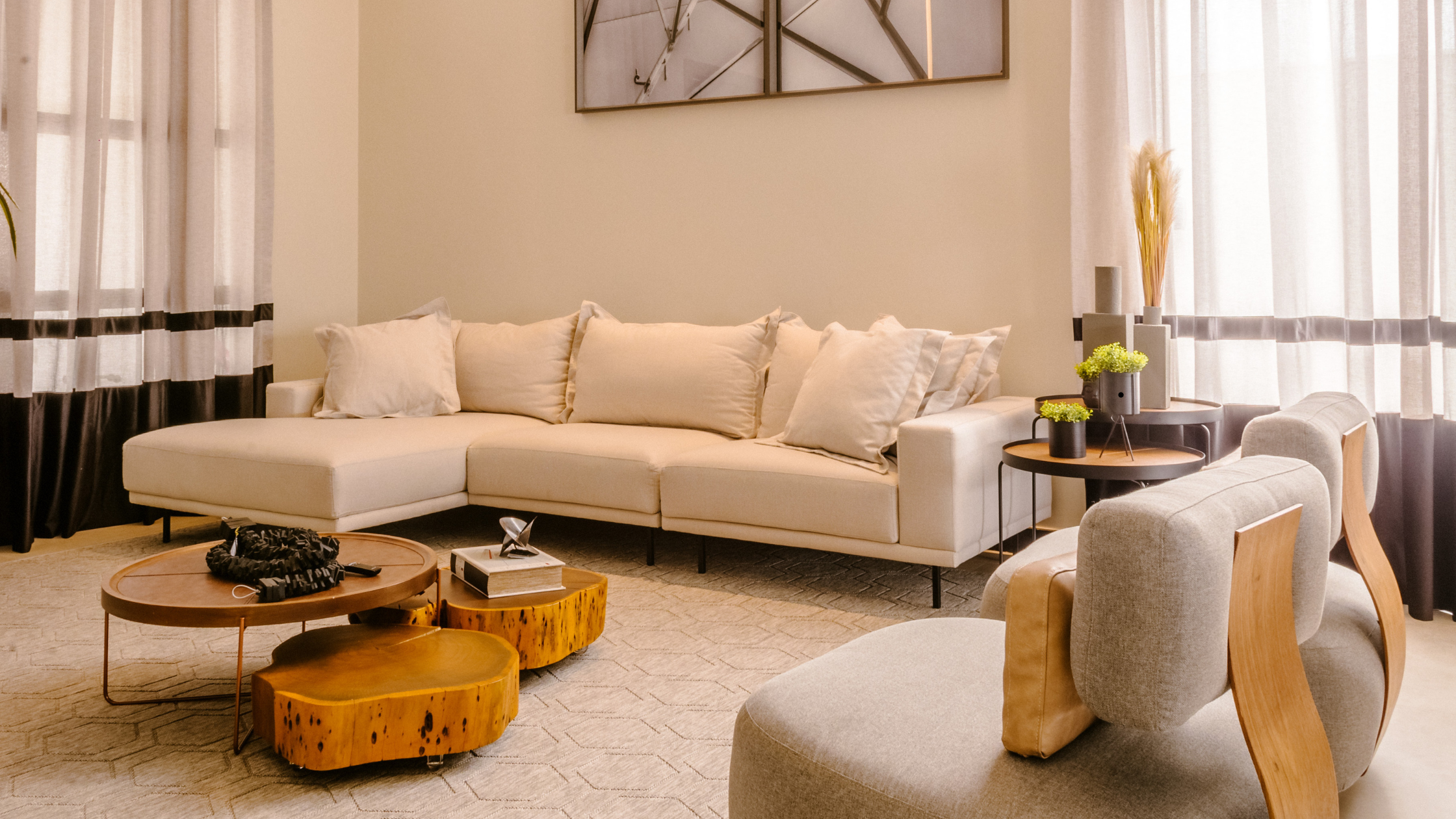
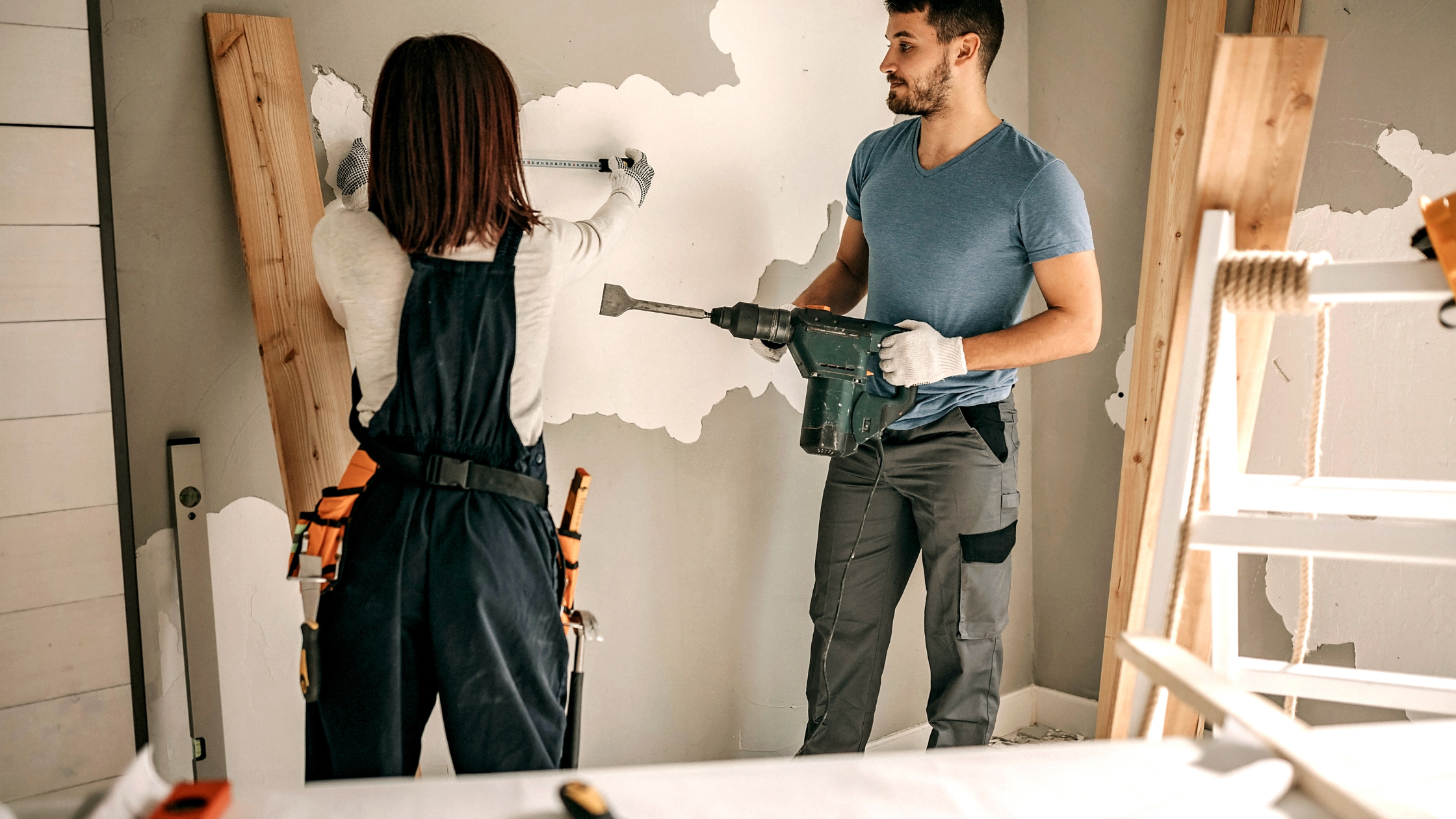

Interior design has the power to completely transform a space, making it functional, stylish, and comfortable. However, achieving the right balance requires more than just picking colours and furniture. Many homeowners make common design mistakes that compromise the look and feel of their interiors. Whether you are renovating, redecorating, or designing a new home, being aware of these mistakes can help you avoid frustration and achieve a space you’ll truly enjoy.
1. Ignoring Proper Space Planning
One of the most common mistakes in interior design is poor space planning. Many people get carried away by the look of furniture without considering whether it will fit their space properly. Oversized sofas, bulky tables, or too many pieces of furniture can make a room feel cramped. On the other hand, leaving too much unused space can make a home feel incomplete. The key is to measure carefully, plan traffic flow, and choose furniture that suits the proportions of the room.
2. Following Trends Blindly
It’s tempting to copy what’s popular on social media or in magazines, but trends don’t always translate well into your home. A bold colour or unusual furniture style may look great in a staged photo but may not work with your lifestyle or long-term preferences. Instead of chasing every trend, aim for timeless designs that reflect your personality and can be refreshed with smaller updates like cushions, rugs, or décor items.
3. Poor Lighting Choices
Lighting is often overlooked, yet it can make or break a room. Many homeowners rely on a single ceiling light, which creates a flat and unwelcoming atmosphere. The best interiors use layered lighting, combining ambient, task, and accent lighting. Natural light should also be maximised wherever possible by keeping windows uncluttered and using light curtains. A well-lit room not only feels bigger but also sets the right mood.
4. Ignoring Functionality for Style
While aesthetics are important, a beautiful room that doesn’t meet your needs quickly becomes frustrating. For example, a stylish coffee table that’s too low to be practical or dining chairs that look great but are uncomfortable can ruin the experience of living in the space. Interior design should always strike a balance between form and function. Think about how you use each room daily and choose designs that support your lifestyle.
5. Overcrowding with Décor
Accessories and décor items add personality to a home, but too many can create clutter instead of charm. Crowded shelves, too many cushions, or walls filled with mismatched art can overwhelm the senses. Instead, curate your décor thoughtfully. Choose a few meaningful pieces that complement the space and allow them to stand out. Minimal, intentional décor makes a stronger impact than cluttered surfaces.
6. Skipping a Cohesive Colour Palette
A common mistake is mixing too many colours and patterns without a clear plan. This can make a home feel chaotic and disconnected. While experimenting with colours is exciting, it’s best to start with a cohesive palette that ties everything together. Neutrals provide a strong base, while accent colours can be added through smaller décor elements like cushions, rugs, or artwork. This approach ensures harmony without sacrificing creativity.
7. Pushing All Furniture Against Walls
Many people believe pushing furniture against walls will make a room appear bigger, but this often creates the opposite effect. It can make the centre of the room feel empty and awkward. Instead, try floating furniture slightly away from walls or creating conversation areas with chairs and sofas. This arrangement makes the room feel more inviting and better proportioned.
8. Forgetting About Storage
Storage is often overlooked during design, but it’s crucial for maintaining an organised and clutter-free home. Without enough storage, even a beautifully designed room will quickly look messy. Smart solutions like built-in cabinets, under-bed storage, or multifunctional furniture help keep things tidy while maintaining the aesthetics of the room.
9. Neglecting Scale and Proportion
Choosing items without considering their scale is another mistake. For example, a tiny rug under a large sofa looks out of place, while oversized pendant lights in a small dining area can overwhelm the space. Good interior design balances scale and proportion, ensuring each piece fits harmoniously within the room.
10. Not Adding Personal Touches
Sometimes, in the attempt to achieve a perfect design, people forget to make their home feel personal. Copying a catalogue or showroom look may create a stylish space, but it can feel soulless. Incorporating personal touches—such as family photos, heirlooms, or handmade décor—brings warmth and character to your home. Your space should reflect who you are, not just current design trends.
11. Rushing the Process
Interior design is not something to be rushed. Buying everything at once or making hasty decisions often leads to regrets. It’s better to take time, live in the space, and slowly build your design. This approach allows you to adjust, add, or change elements as you understand how the space works for you.
12. Ignoring Professional Guidance
Finally, many homeowners avoid seeking advice from professionals, thinking it will be too expensive. In reality, consulting an interior designer can save money and time by avoiding costly mistakes. Even if you don’t hire someone for the entire project, getting professional input on layout, colour choices, or materials can make a significant difference.
Conclusion
Interior design is about more than just looks—it’s about creating a home that is practical, comfortable, and visually appealing. By avoiding these common mistakes, you can ensure that your space not only looks beautiful but also functions well for your lifestyle. Careful planning, thoughtful choices, and a touch of personal style will help you design a home that stands the test of time.